
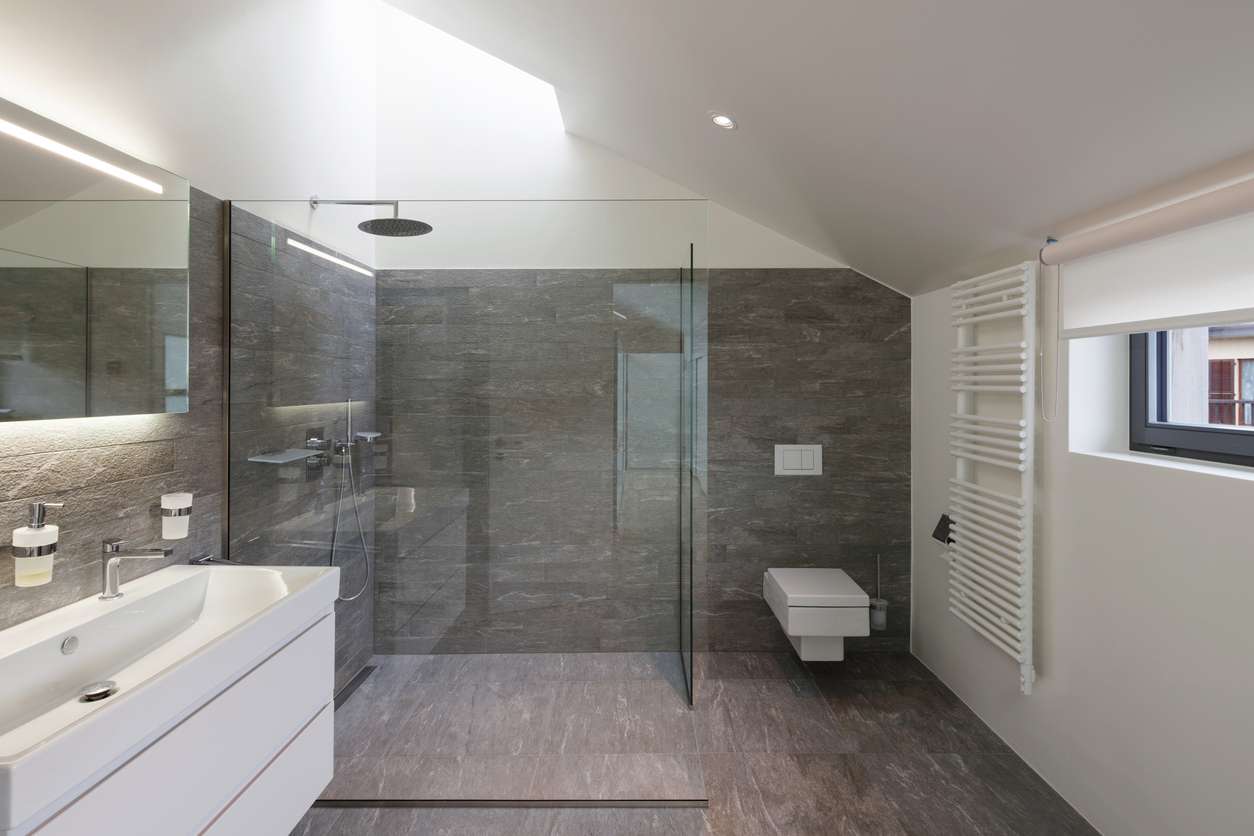
Every morning in the Treasure Valley starts in the bathroom. Yet for many homeowners in Boise, Eagle, and Meridian, that morning routine happens in a space that feels cramped, dated, or simply worn out. If you are considering bathroom remodeling in Boise, you are not alone. Boise has thousands of homes approaching the age where original fixtures are failing — and for many homeowners, the shower is the first place it shows.
The average American home is now over 40 years old, which is why so many shower projects start with worn-out finishes, awkward layouts, or hidden plumbing issues. But updating your shower does not have to be overwhelming. Whether you need a safer walk-in design or a complete master bath retreat, the goal is the same: a space that works better for your real life.
Executive Summary
The market for shower remodeling in Boise is fragmented, with options ranging from quick acrylic liners to full custom tile projects. While national averages can be misleading, local conditions confirm that older homes often carry higher hidden maintenance costs, making accurate budgeting essential. This guide breaks down realistic cost tiers, explains the value of permits and accessibility features like curbless entry, and helps you distinguish between high-value upgrades and unnecessary splurges. Our goal is to give you the clarity to make confident decisions before you ever call a contractor.
What Does a Shower Remodel in Boise Actually Cost?
For Boise homeowners, the honest answer is: it depends on scope. A basic refresh is a completely different project from a structural redesign. To help you plan, we have broken down realistic budget tiers. These are planning ranges, not final quotes — every home is unique.
| Tier | Estimated Cost Range | What You Typically Get |
|---|---|---|
| Basic / Refresh | $8,000 – $12,000 | Prefabricated fiberglass or acrylic pan/walls, standard fixtures, keeping existing plumbing layout, minimal demo. |
| Mid-Range / Custom | $12,000 – $22,000 | Custom tile work, upgraded glass enclosure, better fixtures (WaterSense), minor plumbing adjustments, improved lighting. |
| Luxury / Master Spa | $25,000+ | Full custom design, natural stone, heavy glass, dual showerheads, curbless entry, heated floors, structural changes. |
Basic vs. Mid-Range vs. Luxury Shower Remodel Budgets
At the basic level, you are usually looking at a same-footprint replacement: simple wall materials, standard fixtures, and very little layout change. Mid-range projects introduce more craftsmanship — custom tile, better glass, upgraded valves, and details like niches or a bench. Luxury projects become construction-heavy, often involving framing changes, premium surfaces, dual fixtures, or curbless entry that requires more floor work.
What Makes One Boise Shower Quote So Different from Another?
Older Boise bathrooms can hide more than dated tile. Homes built before 1980 consistently cost more to improve and maintain, which is why estimates can change once demo reveals rot, plumbing updates, or floor repairs behind the walls. If two quotes look far apart, compare the scope line by line:
- Is the plumbing staying in place, or are the drain and valve moving?
- Is the shower getting a full waterproof system, or just new surface materials?
- Are tile, glass, trim, and accessories clearly listed?
- Does the quote include permit responsibility, disposal, and repair work if hidden damage appears?
That level of detail matters — local homeowners are not all shopping from the same starting point, so clear allowances and honest scope definitions make all the difference.
When a “Shower Remodel” Quietly Turns into a Full Bathroom Remodel
It is common to start with the shower and then realize the flooring, vanity, lighting, or layout will feel even more dated next to the new work. Once the project expands beyond the wet area, you move into a different budget bracket — full bathroom remodels carry a meaningfully higher price tag than shower-only work, so it helps to plan for that possibility before construction begins.
Which Shower Style Fits the Way You Actually Use Your Bathroom?
Your shower should fit your real routine, not just a magazine trend. The best option depends on who uses the room, how long you plan to stay in the home, and whether you want a faster update or a more custom result.
Walk-In Showers
Walk-in showers are open, spacious, and generally easier to clean because they have fewer corners, tracks, and visual barriers. They are a strong fit for primary bathrooms in Boise and Eagle homes where comfort, openness, and everyday convenience matter more than having a tub.
Curbless Showers
Curbless showers are not just a luxury look. They are one of the most in-demand upgrades in accessibility-focused remodeling — 83% of remodelers performing aging-in-place work installed curbless showers, making it the second most common accessibility upgrade after grab bars. By removing the threshold, you reduce a common tripping point and create a cleaner, more open feel that suits a wide range of lifestyles and life stages.
Tub-to-Shower Conversions
Converting an old alcove tub into a walk-in shower is one of the smartest ways to modernize a bathroom that no longer matches how you live. It creates more useful standing room, reduces the awkward step-over, and supports better long-term comfort in homes — especially in Eagle and Meridian — where a tub barely gets used.
Glass-Enclosed Showers
Frameless glass remains popular because it lets the room feel bigger and showcases the finished tile. It also keeps sight lines open in smaller bathrooms, which is especially helpful in older Boise and Eagle homes with tighter footprints.
Spa-Style and Jacuzzi-Style Systems vs. Custom Tile Showers
Quick-install wall systems can be a good fit when speed, lower maintenance, and cleaner budgets matter most. Custom tile showers cost more and take longer, but they offer deeper design flexibility, a more solid feel, and easier integration of details like niches, benches, and linear drains. A Jacuzzi-style shower — combining hydrotherapy jets, steam features, or rainfall fixtures — sits at the luxury end of this spectrum and works especially well in larger master bathrooms where the goal is a true spa experience.
| Style | Best For | Primary Pro | Primary Con |
|---|---|---|---|
| Walk-In | Most Master Baths | Spacious feel, easy access | Can be drafty without a door |
| Curbless | Aging-in-Place / Modern | Maximum safety and style | Higher install cost (floor prep) |
| Tub-to-Shower | Guest / Master Baths | Reclaims unused space | Loses the “bath” option |
| Jacuzzi / Spa | Large Master Baths | Full wellness experience | Higher fixture and install cost |
Is a Tub-to-Shower Conversion the Smartest Move for Your Home?
When Removing the Tub Makes Sense
If your primary bathroom is used almost entirely for showers, an old tub can become a big, underused obstacle. Removing it often makes sense when you want more elbow room, easier cleaning, and a layout that feels calmer and more current. It is also a smart move for homeowners in Eagle’s established neighborhoods — like Two Rivers, Castlerock, and Mace River Ranch — who are thinking ahead and want a home that works well for decades to come.
When Keeping One Tub Still Matters
Keeping at least one bathtub somewhere in the home is still a sensible resale choice for households with young children, pets, or frequent guests. If a secondary bath already has a tub, your primary bath usually has more freedom to become shower-only without creating the feeling that you removed an important option.
How a Conversion Changes Accessibility, Cleaning, and Resale
A conversion can make the bathroom easier to use every day because you remove the high step-over and gain a flatter, more open shower floor. That matters because the dangerous moment is usually getting out of the shower, not getting in: CDC data found that 37.3% of bathroom injuries happened while bathing, showering, or getting out of the tub or shower, compared with just 2.2% while getting in. Well-designed conversions also photograph better, feel larger, and support the kind of practical comfort buyers notice right away.
What Upgrades Make the Biggest Difference in Comfort, Cleaning, and Resale?
Better Showerheads and Fixture Performance
Showering accounts for nearly 17% of residential indoor water use, according to the U.S. EPA WaterSense program. Upgrading to a modern thermostatic valve and a high-quality showerhead is not just about luxury — it is about efficiency. Standard heads use 2.5 gallons per minute (gpm), while WaterSense models use 2.0 gpm or less, saving the average family 2,700 gallons of water annually.
Tile, Glass, Niches, Benches, and Storage
Built-in niches keep shampoo bottles off the floor, and a bench adds safety and comfort — great for shaving, relaxing, or simply making the space feel more intentional. These details are best added during framing, not as afterthoughts.
Water-Saving Upgrades That Still Feel High-End
“Efficient” does not have to mean weak pressure. Federal performance standards ensure WaterSense showerheads have enough spray force to rinse hair effectively. In fact, reducing hot water demand can save a family over 330 kilowatt-hours of electricity per year. Poor force and coverage are the main reasons people dislike low-flow fixtures, so choosing quality brands matters.
Which Upgrades Are Worth Splurging On — and Which Are Not
Splurge on the valve (the engine of the shower) and the waterproofing. Save money on accessories like towel bars or overly complex decorative tile bands that might date the room quickly.
What Should You Know About Accessibility, Curbless Entry, and Aging in Place?
Most homes were not designed with long-term comfort in mind — which is why the smartest shower remodel is one that still works well for you 10 or 15 years from now. This is a conversation we have often with families in Eagle’s foothills communities, where homeowners are investing in spaces they plan to stay in for the long term.
Why Accessible Design Is Becoming Standard, Not Special
Accessibility is no longer a niche add-on. According to NAHB survey data, 83% of remodelers performing aging-in-place work installed curbless showers — the second most common upgrade after grab bars. That shift reflects a broader cultural move: homeowners across Boise, Eagle, and Meridian are thinking about how their spaces will serve them not just today, but through the next chapter of life.
The Safest Place to Invest in Better Design Is the Shower
The dangerous moment is usually stepping out of the shower, not stepping in. CDC data found 37.3% of bathroom injuries happened while bathing, showering, or getting out of the tub or shower, while only 2.2% happened while getting in. A curbless entry directly addresses the highest-risk moment in the daily routine.
Features That Help Without Making the Bathroom Look Medical
You do not need a clinical-looking bathroom to make it safer. Many of the best upgrades are subtle, design-friendly, and budget-flexible.
| Feature | Typical Cost Signal | Why It Helps |
|---|---|---|
| Grab bars | Modest retail cost; professional installation recommended | Adds support where slips actually happen, especially entering and exiting. |
| Shower seat | $100–$300 retail | Makes showering easier for recovery, shaving, or long-term mobility changes. |
| Curbless entry | Higher install cost due to floor prep and drainage planning | Removes a common tripping point and creates a cleaner visual line. |
| Non-slip tile | Minimal upcharge on floor tile selection | Reduces slip risk on wet surfaces without affecting aesthetics. |
How Much Space an Accessible Shower Really Needs
If you are planning for a truly accessible shower, layout comes before finishes. Accessible bathrooms need more open floor area than most inspiration photos make obvious, which is why curbless entry, door swing, bench placement, and clear movement space should be planned early rather than squeezed in at the end. This matters even more in older Boise and Eagle homes with tight footprints.
How Long Does a Shower Remodel Take, and What Is the Process Like?
Consultation and Design
A quick wall-system swap can move faster than a custom shower, but good planning still comes first. Expect time for measuring, design decisions, ordering materials, and confirming whether the project is staying cosmetic or crossing into permit territory.
Demo, Plumbing, Water Barrier, Tile, and Glass
Once work begins, a custom shower remodel often takes around 2 to 3 weeks of active construction, sometimes longer if the glass or tile is a special order.
- Phase 1: Demolition, hidden-damage checks, rough plumbing, electrical, and framing repairs.
- Phase 2: Waterproofing, shower floor prep, tile installation, and grout cure time.
- Phase 3: Final trim, glass installation, punch-list details, and cleanup.
What Can Delay the Timeline
Older homes can surprise you once the walls are open. Rot, slow leaks, inspection scheduling, and glass lead times are the most common reasons a shower project stretches longer than the homeowner first expected. That is one reason a transparent schedule matters just as much as a transparent quote.
For ideas on what is trending now, see our article on walk-in shower ideas for Boise bathrooms.
Do You Need Permits in Boise for a Shower Remodel?
Cosmetic Work vs. Plumbing, Electrical, and Structural Work
In Boise, simple cosmetic updates like painting, floor covering, cabinets, or countertops usually do not require a permit. However, if you are opening walls to expose framing, moving a drain, adding a new mixer valve, or installing a new vent fan, permits are generally required.
When Curbless Entry Can Change Permit Needs
Creating a curbless shower often involves cutting into floor joists to lower the drain. This is structural work and requires a permit and inspection to ensure the home’s integrity is maintained.
What to Confirm Before Work Begins
Always verify with the City of Boise Planning & Development Services [3]. A reputable contractor will handle the permit process for you. Be wary of anyone who asks you to pull the permit yourself or says “we don’t need one” for plumbing changes.
How Do You Choose a Contractor Without Getting Overwhelmed or Oversold?
Choosing a partner for your project is one of the most important decisions in the process. Here is a checklist to help you compare options.
Questions to Ask in the First Consultation
- “Do you use a specific waterproofing system (like Schluter or Wedi)?”
- “Who pulls the permits — you or me?”
- “Is glass included in this estimate, or is that separate?”
- “How do you handle unexpected water damage found inside the walls?”
Red Flags in Shower Remodel Quotes
Watch out for vague “allowances” that are too low to buy decent materials. If a quote is thousands of dollars cheaper, they may be skipping the waterproofing step or using unskilled labor. A price that seems too good to be true usually reflects a scope that is missing something important.
How to Compare “Quick System” Installs vs. Custom Remodels
A quick system install can be the right fit when the goal is speed, simpler maintenance, and minimal design complexity. A custom remodel is better when you want to address structure, drainage, tile layout, long-term accessibility, or higher-end finishes. When comparing the two, ask how the company handles waterproofing and what fixture specs they are quoting — because spray force and coverage are the primary criteria that determine whether a showerhead performs well in real life.
Is a Shower Remodel Worth It for Resale and Everyday Life?
Daily-Life Value
According to the 2025 NAR/NARI Remodeling Impact Report, bathroom renovation earns a Joy Score of 9.8 out of 10 — one of the highest of any remodeling project. It is one of the most satisfying home improvements you can make because you use it every single day.
Resale Value
While you should not remodel solely for resale, the return is real. The 2025 Remodeling Impact Report estimates that bathroom renovations recover about 50% of their cost at resale, and 35% of Realtors report increased buyer demand for updated bathrooms. A dated, worn-out shower is one of the first things buyers notice — and a fresh, modern bath consistently makes a strong impression in the Treasure Valley market.
Utility Savings and Lower-Maintenance Payback
Beyond resale, efficient fixtures keep paying you back after installation. Showering accounts for nearly 17% of indoor residential water use, and swapping to WaterSense-rated fixtures can save the average family about 2,700 gallons of water and more than 330 kilowatt-hours of electricity per year through reduced hot-water demand. Pair that with lower-maintenance surfaces and cleaner storage details, and the shower can feel easier to own as well as nicer to use.
Planning Your Next Step
A shower remodel is an investment in your home and your daily comfort. By understanding the costs, styles, and structural realities of Boise homes — and the possibilities that Eagle and Meridian homeowners are exploring right now — you can plan a project that delivers value for decades. Whether you need a simple update or a fully accessible spa retreat, the key is planning well and choosing a team that values quality as much as you do.
Ready to talk through your options? Explore our bathroom remodeling services or reach out for a free consultation — we would love to hear about your project.


